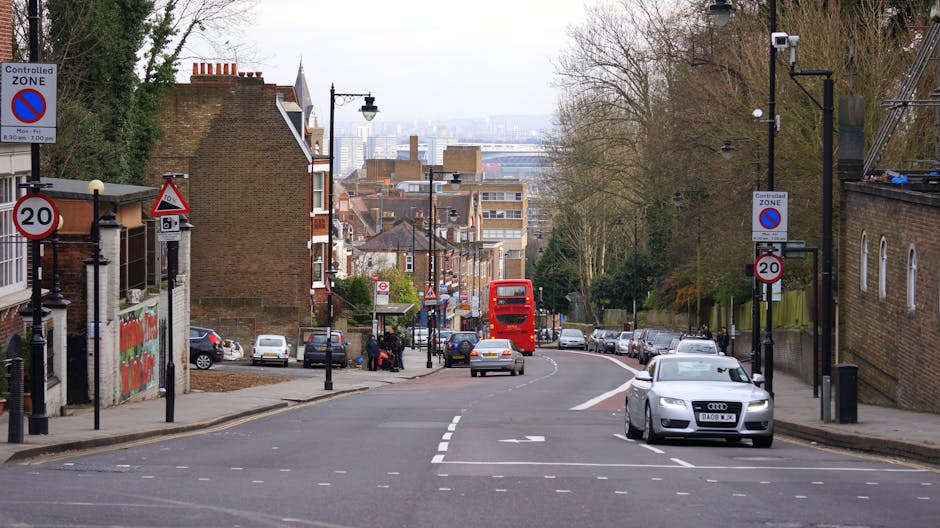
Wandsworth removals SW18 guide for Wandsworth Common moves
If you are planning a move around Wandsworth Common, the process can feel oddly simple on paper and then suddenly messy in real life. One minute you are comparing boxes and booking a van, the next you are wondering how to get a sofa through a narrow hallway without taking a scuff out of the wall. This Wandsworth removals SW18 guide for Wandsworth Common moves is here to make that whole thing calmer, clearer, and a bit more manageable.
Whether you are moving out of a family house, shifting from a flat near the Common, or arranging a business relocation in SW18, the basics are the same: plan early, choose the right level of service, and avoid the small mistakes that create the biggest headaches. Below, you will find a practical local guide with real-world advice, service comparisons, safety points, and a checklist you can actually use.
Table of Contents
- Why Wandsworth removals SW18 guide for Wandsworth Common moves Matters
- How Wandsworth removals SW18 guide for Wandsworth Common moves Works
- Key Benefits and Practical Advantages
- Who This Is For and When It Makes Sense
- Step-by-Step Guidance
- Expert Tips for Better Results
- Common Mistakes to Avoid
- Tools, Resources and Recommendations
- Law, Compliance, Standards, or Best Practice
- Options, Methods, or Comparison Table
- Case Study or Real-World Example
- Practical Checklist
- Conclusion
- Frequently Asked Questions
Why Wandsworth removals SW18 guide for Wandsworth Common moves Matters
Moving in Wandsworth Common is not the same as moving in a wide-open suburb with endless kerb space. You are often dealing with a mix of period homes, mansion blocks, maisonettes, and streets that can be busy at the wrong time of day. That means the removal plan needs to be more thoughtful than just "turn up with a van and hope for the best".
The value of a good removals plan is not only speed. It is also about protecting your belongings, reducing stress, and making sure the move fits the property type, access conditions, and timing constraints. In SW18, that matters because access can change everything: a top-floor flat with a tight staircase is a very different job from a ground-floor house move with front drive space.
There is also the emotional side, which people sometimes ignore until moving day. You are probably packing up the place where you drank too much tea, found missing keys in the weirdest places, and lived through at least one winter of sock-on-the-radiator behaviour. A well-run move helps you keep your head clear. Truth be told, that can be worth as much as the physical lifting.
If you are comparing service levels, it helps to start with a clear view of what you need. For some households, a straightforward man and van arrangement is enough. For others, especially larger homes or longer inventory lists, a more structured service such as house removals is the safer bet. The point is to match the job to the move, not the other way round.
How Wandsworth removals SW18 guide for Wandsworth Common moves Works
The moving process usually follows a pretty reliable pattern, even if every property has its own little quirks. Most moves begin with an enquiry, followed by a discussion of what is being moved, where from, where to, and what access looks like at both ends. From there, you should get a clear idea of the right vehicle size, crew size, packing support, and timing.
For local Wandsworth Common moves, the first practical step is usually to work out your load. A studio move, for example, might only need a compact vehicle and careful loading. A three-bedroom family home can need a larger team, more protective materials, and better sequencing so furniture leaves in the right order. A few minutes of planning here saves a lot of awkward shuffling later.
Most removal jobs also benefit from a simple site check. That means thinking about parking, stairs, lifts, long carries, fragile items, and whether anything bulky needs dismantling. If you have a piano, large wardrobe, oversized mirror, or awkward garden furniture, say so early. Don't play it down. People do that all the time, and then on the day someone is staring at a sofa that definitely does not want to turn the corner.
It also helps to decide whether you want a full-service move or a lighter support option. Some people just need transport and lifting. Others want help with packing, wrapping, and unpacking so they can settle in faster. If that sounds useful, packing and unpacking services can remove a lot of the repetitive work that eats into your week.
Key Benefits and Practical Advantages
A good local removals setup gives you more than transport. It reduces friction at every step of the day. That matters because moving day tends to expose weak points you never see during planning: poor access, bad packing, forgotten bits of furniture, and the classic "where did we put the kettle?" moment at the new place.
Here are the main practical benefits:
- Better time control: a properly planned move avoids unnecessary delays and reduces waiting around in the street.
- Less physical strain: heavy lifting is one thing when you are fresh; it is another at 4:30 p.m. after several flights of stairs.
- Lower damage risk: correct wrapping, loading, and stacking help protect furniture, walls, and floors.
- Better local awareness: a team familiar with SW18 style access issues can usually spot problems before they become problems.
- Smoother settling in: if boxes are organised properly, your first evening is far less chaotic.
There is a strong commercial advantage too. If you are moving a home office, a landlord-managed property, or a small business base, time off work is costly and messy. That is where a professional removal company can be more efficient than trying to organise several separate helpers and vehicles.
And yes, sometimes people think a DIY move is cheaper. Sometimes it is. But once you factor in fuel, parking stress, boxes, wrap, extra trips, and the possibility of damage, the gap narrows pretty fast.
Who This Is For and When It Makes Sense
This guide is relevant for a wide range of movers in and around Wandsworth Common. It is not just for people buying a house. In practice, the most common users are:
- tenants moving between flats or maisonettes in SW18
- families moving into larger homes near the Common
- downsizers who need help clearing bulky furniture
- first-time buyers needing a calm, structured move
- small offices or home-based businesses relocating locally
- people who only need a vehicle and lifting support for a few items
If your move is light, a man with van style service may be the right fit. If you have a fuller property, multiple rooms, or awkward furniture, it may be more sensible to use a broader package such as home moves or a tailored removal services option.
It also makes sense when you simply do not want the day to become a logistics puzzle. Not everybody does, and that is fair enough. If you would rather focus on keys, utilities, and getting the new place ready, let the removals side carry the load.
Step-by-Step Guidance
A smooth move usually comes down to sequence. The order matters more than most people think. Here is a practical way to approach it.
- List everything you are moving. Walk room by room and make a rough inventory. Note anything large, fragile, valuable, or awkward.
- Check access at both properties. Measure stair turns, lift sizes, doorway widths, and consider parking distance. A 20-metre carry can change timing quite a bit.
- Choose the right service level. Decide whether you need transport only, lifting help, packing support, or a full house move.
- Book early. Local moving dates fill up faster than people expect, especially around month-end and school holidays.
- Pack by priority. Keep essentials separate. Kettle, chargers, medication, snacks, cleaning products, and important documents should be easy to reach.
- Label clearly. Room labels are useful, but a brief contents note is even better. "Kitchen - mugs, pans, toaster" saves time later.
- Protect furniture properly. Use covers, blankets, wrap, and dismantling where needed. A doorframe does not care how tired you are.
- Confirm arrival details. Make sure everyone knows the start time, access instructions, and any key contacts.
- Do a final sweep. Check lofts, cupboards, sheds, and behind doors. People leave surprisingly odd things behind. A torch helps here, especially in the late afternoon.
- Settle essentials first. Put beds, chargers, and basic kitchen items in place so the first night is comfortable.
If your move includes mixed items like furniture, white goods, or one-off bulky pieces, it may be worth splitting the task into a smaller transport move and a specialist pickup. Services such as furniture pick up can make that sort of job a lot less clumsy.
One small but useful habit: pack a "first hour" box. It sounds obvious, but people forget it all the time. By the time you need a mug or phone charger, the box disappears into the moving mountain. Classic.
Expert Tips for Better Results
After enough moves, certain patterns become obvious. The jobs that run smoothly are not the lucky ones; they are the well-prepared ones. A few expert habits make a real difference.
- Keep heavier boxes small. Books in a giant box is one of those ideas that sounds fine until someone has to carry it down stairs.
- Use room-by-room packing. Mixing items from the whole house makes unpacking feel never-ending.
- Photograph cable setups. It takes ten seconds and saves a frustrating evening later.
- Book parking or access help where possible. Local streets can be tight, and a little advance planning goes a long way.
- Tell movers about fragile or high-value items early. Better wrapping and placement can then be planned properly.
- Leave a path clear. Even a tidy home can become awkward if hallways fill up with last-minute bags and loose items.
If you are moving only a few items, the flexible man and van removals option is often more efficient than booking a bigger setup than you need. For larger, more structured household relocations, the depth of a more established house movers team can be worth it.
And a slightly human tip: drink water. Moving days are weirdly dehydrating. You will be lifting, talking, checking lists, and wandering between rooms, and by late afternoon everyone starts thinking less clearly than they should. Small thing, big difference.
Common Mistakes to Avoid
Most move-day problems are not dramatic disasters. They are small avoidable errors that stack up. Avoid these and your day becomes noticeably easier.
- Underestimating volume. Almost every home contains more than it looks like at first glance.
- Packing too late. Last-minute packing usually means poor labelling and more breakages.
- Ignoring access constraints. A van can only do so much if parking is far away or the lift is small.
- Not separating essentials. If your medication or keys are in a random box, that is a bad start.
- Choosing only on price. Low cost matters, of course, but service fit and reliability matter too.
- Forgetting insurance and liability questions. Ask what is covered and what is not before moving day.
One common issue in busy parts of Wandsworth Common is timing. A move scheduled at the wrong moment can create street congestion, waiting time, or awkward neighbour conversations. Not ideal. Aim for a window that gives you breathing room, not a rush.
Another one: people often think "it's just across SW18, so we'll be fine". Sometimes yes. Sometimes no. Short distance does not mean short effort, especially with stairs, packing, and dismantling involved.
Tools, Resources and Recommendations
You do not need specialist equipment for every move, but a few practical items make a notable difference. Think less "fancy moving kit" and more "the right basics in the right order".
- Strong boxes: use uniform boxes where possible so stacking stays stable.
- Packing tape and dispenser: small convenience, big time saver.
- Marker pens and labels: clear labels reduce confusion when unloading.
- Furniture covers and wrap: useful for protecting soft furnishings, polished wood, and mirrors.
- Tools for dismantling: keep screwdrivers, Allen keys, and spare bags for fixings together.
- Floor protection: worth considering if you are moving through finished floors or tight entrance halls.
When choosing a local supplier, it is sensible to compare service range rather than only headline promises. For example, if you are looking at removal company options, check whether they can also support packing, furniture handling, and vehicle sizing correctly. If you only need simple loading and transport, a removal van may be enough.
For businesses or more formal relocations, it can also help to look at commercial moves and office removals support. The requirements are different from a home move: fewer sentimental items, perhaps, but more care around documents, workstations, and downtime.
Law, Compliance, Standards, or Best Practice
Moving home is not usually a heavily regulated event in the way construction or clinical work is, but good practice still matters. A reputable removals business should operate with sensible health and safety procedures, proper handling methods, and clear communication around risk, access, and liability.
At a practical level, you should expect a provider to be thoughtful about lifting, vehicle loading, and damage prevention. If a job involves heavy items, stairs, or awkward carries, safe handling is not optional. It is just basic professionalism. You can also reasonably expect transparency around pricing, payment, and what happens if plans change.
Before booking, it is wise to review things like the company's insurance and safety approach, along with health and safety policy details. For many customers, those pages are not exciting reading. Fair enough. But they do tell you whether the business takes risk seriously or just hopes for the best.
It is also sensible to understand the commercial terms, including cancellation, payment timing, and the scope of work. If those matters are unclear, check the terms and conditions before anything is booked. Good removal work is partly about muscle, partly about organisation, and partly about trust.
For customers who care about waste reduction, the company's recycling and sustainability approach can also be relevant, especially if furniture or packaging needs to be handled responsibly. That is increasingly part of ordinary service expectations now.
Options, Methods, or Comparison Table
Choosing the right removals method is often the difference between an easy day and an exhausting one. Here is a simple comparison to help you decide.
| Option | Best for | Strengths | Watch-outs |
|---|---|---|---|
| Man and van | Small flats, light loads, single-item moves | Flexible, straightforward, usually efficient for short journeys | May be tight for larger furniture or more complex access |
| Full house removals | Family homes, larger inventories, furniture-heavy moves | More structured, better for handling multiple rooms and heavier items | Needs more planning and may cost more than a basic van option |
| Packing and moving package | Busy households, time-poor movers, fragile contents | Reduces stress and speeds up preparation | Best when booked early so materials and time are properly allocated |
| Commercial or office move | Businesses, home offices, small workspaces | Useful for managing equipment, documents, and downtime | Should be carefully timed to avoid disruption |
For some customers, the simplest path is to start small and scale up only if needed. For others, especially if the property is full or the move date is fixed and non-negotiable, choosing a broader service upfront is the safer decision. There is no universal answer, annoyingly. But there is a sensible one for your situation.
Case Study or Real-World Example
Imagine a couple moving from a second-floor flat near Wandsworth Common into a terraced house a few streets away. On paper, it looks simple: same area, short distance, one day. But then the details show up. The flat has a narrow staircase, the sofa is heavier than expected, and the new house has a tight hallway with a sharp turn into the reception room.
In that scenario, the best move is usually not to "just wing it". The couple would benefit from careful pre-planning, clear item labelling, and a vehicle size that suits the actual load rather than the guessed load. They might also separate essentials into one box each, keep bedding handy, and dismantle a bed frame in advance. Small actions, but they keep the day from snowballing.
In our experience, this kind of move often feels fine until lunchtime, and then the clock starts to matter. That is when good sequencing saves you: larger items out first, boxed items next, fragile pieces last, and a final sweep before departure. Nothing fancy. Just steady, practical decisions.
For a different example, think of a small consultant moving a home office from SW18 into shared workspace elsewhere in Wandsworth. The move may need office relocation services rather than a generic household arrangement, because computers, chairs, files, and client paperwork all need a more ordered handover. The shape of the job matters more than the postcode.
Practical Checklist
Use this as a simple pre-move check. It is not glamorous, but it works.
- Confirm moving date, time, and access details
- Measure large furniture and check stair or doorway clearances
- Decide whether you need a van, a full crew, or extra packing support
- Book boxes, tape, wrap, and labels early
- Pack essential items separately
- Photograph electronics and furniture assembly points
- Keep valuables and documents with you
- Notify relevant people of your address change
- Check the new property for immediate cleaning or repair needs
- Do a final room-by-room sweep before the van leaves
Expert summary: the best Wandsworth Common moves are not the ones with the fanciest extras. They are the ones where access is checked early, the service level matches the load, and the packing is calm rather than chaotic. That is the whole game, really.
Get a free quote today and see how much you can save.
Conclusion
A Wandsworth Common move does not have to feel like a full-scale life event. With the right planning, the right vehicle or team, and a sensible approach to packing and access, it can be a controlled, even fairly ordinary day. And ordinary is good. Ordinary means fewer surprises.
If you take only one thing from this guide, let it be this: the best removals decisions are made before moving day, not during it. Decide what you are moving, how much help you need, and what the property access actually looks like. Then book accordingly. Simple advice, yes, but it saves people a lot of hassle.
For readers in SW18, that usually means choosing a service that fits both the property and the pace of the day. Do that well, and the rest tends to fall into place. A little tiredness? Sure. A bit of chaos? Probably. But nothing unmanageable, and that is a very decent outcome.
By evening, when the boxes are stacked and the kettle is back in action, you will be glad you planned the move properly. Sometimes that quiet moment is the real win.
Frequently Asked Questions
What is the best removals option for a small Wandsworth Common flat?
For smaller flats, a van-based move is often enough, especially if the load is mostly boxes, bags, and a few key furniture items. If access is tight, it is worth checking whether a more flexible man with a van style service is the better fit.
How far in advance should I book a move in SW18?
The earlier, the better. Local moving dates can get busy at month-end and during school holidays. If your date is fixed, booking early gives you more control over service choice and timing.
Do I need packing help, or can I do it myself?
You can certainly pack yourself if you have time and the right materials. Packing help makes sense if you are busy, have fragile items, or simply do not want to spend evenings surrounded by tape and cardboard.
What should I ask before booking a removal company?
Ask what is included, how access is handled, whether insurance is in place, and what happens if the schedule changes. It is also sensible to check the company's pricing and quotes approach so you understand the structure upfront.
Is a man and van service enough for a full house move?
Sometimes, but not always. A man and van is usually best for smaller or lighter moves. Larger homes, bulky furniture, or more complex access tend to suit a fuller removals setup.
How can I reduce the risk of damage during the move?
Use good packing materials, label fragile items clearly, and make sure furniture is wrapped properly. It also helps to dismantle bulky items in advance when possible and keep walkways clear.
What if my new property in Wandsworth Common has awkward access?
Tell the removals team before the move, not on the day. Awkward stairs, limited parking, narrow turns, and lift restrictions all affect the plan. Early notice usually prevents delay.
Can removals help with office or business moves too?
Yes. If you are relocating a workspace, it is better to look at a service designed for business needs, such as office removals or related commercial support.
What should I keep with me rather than put on the van?
Keep valuables, identification, medication, keys, chargers, and important paperwork with you. A small essentials bag can save a lot of stress if anything else is delayed.
Are there things people always forget to pack?
Yes. Phone chargers, bedding, toilet paper, bin bags, cleaning supplies, and kettle items are the classics. They sound minor, but they make the first night far easier.
How do I know whether I need house removals or a smaller transport option?
Look at the number of rooms, the size of your furniture, and the access at both properties. If the job is more than a few items, house removals is usually the more practical choice.
What is a sensible next step if I am just starting to plan?
Make a simple inventory, check access at both addresses, and decide what level of help you need. Once that is clear, you can compare suitable moving options and avoid paying for more than you actually require.