Avoid hidden removal fees in Wandsworth what to know

If you are planning a move, the last thing you want is a bill that grows arms and legs halfway through the day. That is exactly why learning how to avoid hidden removal fees in Wandsworth matters. A move should feel organised, not like a guessing game with small print. In practice, the biggest surprises usually come from missing details: parking, stairs, packing, waiting time, extra stops, awkward access, or assumptions that were never written down clearly.
This guide walks you through what hidden fees look like, how they creep into removal quotes, and how to protect your budget without making the process complicated. You will also see what to ask before booking, what terms to check, and how to compare a quote properly. A calm move is possible. Honestly, it usually starts with asking a few sharp questions early.
Why it matters
Hidden fees matter because removals are rarely bought on emotion alone. They are a practical, time-sensitive service, and most people compare providers on price first. Fair enough. But if one quote looks much cheaper than the others, there is often a reason. Sometimes that reason is a lean, honest quote. Sometimes it is not.
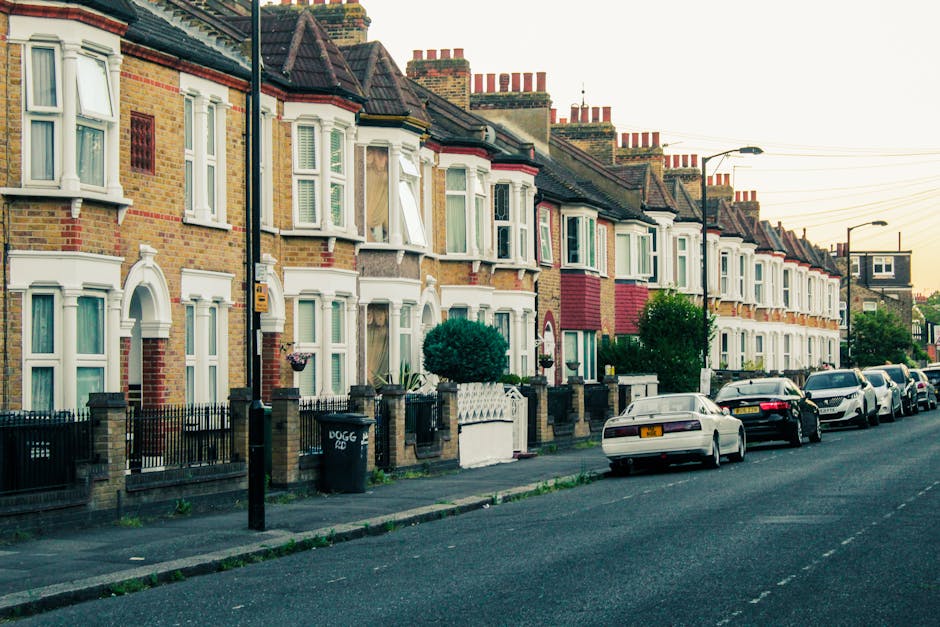
In Wandsworth, property layouts can add complexity fast. You may have narrow hallways, controlled parking, basement flats, lift restrictions, busy roads, or a van that cannot sit outside for long. Even a straightforward house move can become fiddly if these details are not discussed early. And once the team is onsite, the leverage shifts. Nobody likes negotiating while boxes are stacked by the door and the kettle is already packed.
A clear, well-built quote protects both sides. It helps you budget properly and helps the removals team plan the right vehicle, staffing, route, and timing. That usually means fewer delays, fewer arguments, and a much better moving day. To be fair, it also means less stress for everyone in the street.
If you are comparing services, start by looking at the provider's pricing and quotes information, then check the wider service pages such as removal services and removals so you understand what is normally included before you book.
How hidden removal fees usually happen
Hidden fees do not always appear as a surprise line item titled "extra charge". More often, they show up as a mismatch between what you assumed and what the remover priced. That gap is where most disputes begin. A quote may be accurate for the information supplied, while still feeling unfair if the moving day turns out to be quite different from what was described.
The most common causes are simple:
- the inventory was incomplete or underestimated
- access conditions were not disclosed, such as stairs, no lift, long carries, or tight access
- parking permits or loading restrictions were overlooked
- packing services were assumed, not confirmed
- the move took longer because items were not ready
- extra stops, storage, or dismantling were required
In a good process, the removal company asks enough questions to price the move properly. In a weaker process, someone rushes to "give a ballpark" and hopes it works out later. That can be tempting for the provider, but it is risky for you. A quote should be specific enough that both sides can point to the same plan.
It is also worth understanding the difference between a fixed price and an hourly rate. A fixed quote can be better for certainty, but only if the scope is correct. An hourly rate can be fair for smaller jobs, especially with a man and van style move, but it can become expensive if access is poor or the job is poorly prepared. There is no magic answer. The right choice depends on the job size and the level of clarity in the quote.
If you are moving a home, the relevant service may be home moves or house removals. For smaller or lighter loads, a man with van arrangement may suit better. For commercial jobs, look at commercial moves or office removals.
Key benefits of getting the quote right
Getting the quote right is not just about saving money, although that is obviously part of it. It also improves the whole moving experience. The best removals jobs tend to run on predictable information, not hopeful estimates. You will notice the difference quickly.
- Better budgeting: you can plan transport, deposits, cleaning, and utilities without guessing.
- Less friction on moving day: clear expectations reduce awkward conversations at the kerbside.
- More suitable vehicle planning: the right van or truck can be sent first time.
- Lower risk of delays: fewer surprises mean fewer stoppages and less waiting around.
- Improved trust: a transparent provider tends to communicate better throughout the job.
There is also a quiet practical benefit that people often miss: a clear quote helps the moving team work faster. When the inventory, access, and timing are accurate, they can prepare the right equipment and staffing. That matters if you are moving in a busy part of London where parking windows are tight and neighbours are not exactly thrilled by a giant truck idling outside all afternoon.
Expert summary: the cheapest quote is not always the best value. The best value is the quote that is detailed, realistic, and written around the actual move rather than a rough guess.
Who this is for and when it makes sense
This advice is useful for almost anyone moving in Wandsworth, but it matters most if your move has even a little complexity. A small flat move with one lift and good parking is usually easier to price. A family house move with three floors, a garden shed, and a sofa that barely fits through the hallway? That is a different story.
You should be especially careful if you are:
- moving from or to a flat with restricted access
- handling a same-day key handover
- using packing services as well as transport
- moving office furniture or IT equipment
- booking at short notice
- removing bulky items, antiques, or fragile belongings
It also makes sense if you are comparing removal companies and trying to work out whether a lower price is genuinely better or just missing something obvious. Truth be told, many hidden-fee complaints start with a quote that looked fine on screen and then changed once the real conditions became clear.
For some customers, the main priority is simplicity. They want one team to pack, lift, transport, and unpack without lots of back-and-forth. In that case, packing and unpacking services can be helpful, but only if the scope is clear from the outset. No one wants to discover on moving day that "packing" meant only a couple of boxes and a roll of tape. That would be a bit cheeky, really.
Step-by-step guidance
If you want to avoid hidden fees, the smartest approach is to treat the quote like a mini project. Slightly boring, yes. Very effective, also yes.
- List everything that is moving. Include furniture, appliances, boxes, plants, outdoor items, and anything stored in lofts, sheds, or garages.
- Describe access honestly. Note stairs, lifts, distance from door to vehicle, parking restrictions, and any unusually narrow entrances.
- Ask what is included. Confirm loading, unloading, furniture protection, dismantling, reassembly, waiting time, and materials.
- Ask what is not included. This question is underrated. It often reveals the real charge structure.
- Confirm the pricing model. Is it fixed, hourly, minimum-charge based, or dependent on final survey details?
- Request written confirmation. Email is enough in many cases. The point is to have a record of the scope.
- Check timing assumptions. Make sure arrival windows, estimated duration, and any overtime rules are clear.
- Review terms before paying a deposit. Look especially at cancellation, rescheduling, and additional work clauses.
If you are still comparing options at this stage, have a look at the company's terms and conditions and payment and security pages, then decide whether the payment process feels transparent enough for you. A proper provider should not make you squint at the fine print like you are trying to read a train board at Clapham Junction.
One more useful habit: take photos. A quick set of pictures of stairwells, parking access, long corridors, and the larger items can help the quote become more accurate. It is not glamorous, but it is effective. And yes, the phone gallery will look odd for a day or two.
Expert tips for better results
There are a few small habits that make a big difference. They are not dramatic, but they save money in the real world.
- Be over-clear, not under-clear. If you are unsure whether something matters, mention it anyway.
- Check for access bottlenecks. A 30-second bottleneck in a hallway can slow the whole job.
- Separate essentials from "nice to have". You may not need full packing for everything, and that can reduce cost.
- Ask about special items early. Pianos, fragile glass, heavy wardrobes, and large mirrors can affect pricing or equipment needs.
- Book with a realistic time window. Rushing the schedule is one of the easiest ways to create extra charges.
A useful local detail: Wandsworth streets can be tight, busy, and parking-sensitive. If your move involves roadside loading, the remover may need to plan around access time rather than just the number of rooms. That is why a good quote is about logistics as much as labour. Simple on paper. Not always simple in real life.
You should also ask whether the company has a clear approach to safety and insurance. A trustworthy provider will usually be happy to explain how items are handled, protected, and moved. If you want to understand this side better, the pages on insurance and safety and the health and safety policy are worth reviewing.
And don't underestimate plain communication. If someone is slow to answer basic questions before the booking, they may be slow to resolve fee issues later. Not always, of course. But enough times to be worth noting.
Common mistakes to avoid
Most surprise charges are preventable. They usually happen because people are in a hurry, or because they assume a quote includes everything that sounds reasonable. That assumption can be expensive.
- Accepting the first quote without comparing scope. Price means little if the included service is different.
- Forgetting access details. A flat on the fourth floor with no lift is not the same as a ground-floor move.
- Leaving packing until the morning of the move. That can increase labour time, and therefore cost.
- Assuming disposal is included. Removal, recycling, and furniture pick-up are not always the same thing.
- Ignoring parking or permit requirements. These small items can have a surprisingly big impact.
- Not checking the cancellation policy. Life happens. But the fee rules still matter.
A lot of people also forget to say whether there is anything unusual at the destination. For example, a delivery to a flat with a narrow stairwell can cost more than one to a house with clear access, even if the loading address was easy. That second address counts. It always counts.
If you are unsure how much vehicle size or crew size matters, compare the likely setup on the relevant service pages such as moving van, moving truck, and removal van. They help you think through capacity and access in a more practical way.
Tools, resources and recommendations
You do not need fancy software to avoid hidden fees. A notebook, your phone camera, and a short question list can do most of the work. Still, a few simple tools make the process easier.
- Inventory list: write down rooms, key items, and anything large or delicate.
- Photo set: take clear pictures of access points, stairs, parking, and difficult furniture.
- Quote comparison sheet: compare what each company includes, not just the headline price.
- Calendar reminder: keep track of booking date, move date, and payment deadlines.
- Email trail: use written communication for important details whenever possible.
If you are weighing different service styles, it may help to look at man and van removals for smaller moves, house movers for domestic relocations, or office relocation services when the move involves desks, files, and equipment. The right fit depends less on marketing language and more on the actual load, route, and access conditions.
For customers who care about the wider service experience, the pages on recycling and sustainability and about us can also be useful because they reveal how the business thinks about responsibility, not just transport. That is not a fee issue directly, but it does tell you something about standards.
Law, compliance and best practice
Removal pricing itself is usually a commercial matter, but best practice still matters a great deal. In the UK, customers should expect clear, honest descriptions of the service being sold, and any price that depends on conditions should be explained properly. That is the standard most people reasonably expect, even if they do not think about it in legal terms.
From a practical viewpoint, good removal companies should be clear about:
- what the quoted price covers
- when extra labour or waiting time may be charged
- how cancellations or reschedules are handled
- how deposits and final payments are taken
- how items are handled safely during loading and unloading
It is also sensible to check whether the company has a complaints route if something does go wrong. Nobody books a move expecting problems, but a proper process matters if the day becomes messy. The complaints procedure should explain what to do next, which is reassuring even if you never need it. And, to be honest, that sort of clarity is often a sign that a company takes accountability seriously.
For privacy and payment issues, the relevant pages on privacy policy and payment and security are worth a quick read. Again, not because the move is risky by default, but because money and personal details deserve sensible handling.
Options and comparison table
Different moving setups suit different budgets and levels of complexity. The best way to avoid hidden fees is often to choose the method that matches the job, rather than choosing the cheapest-sounding label.
| Option | Best for | Fee risk level | What to check carefully |
|---|---|---|---|
| Fixed-price house removal | Full home moves with clear inventory | Low to medium | Access details, packing, dismantling, and item count |
| Hourly man and van | Smaller or flexible jobs | Medium | Waiting time, route planning, load size, and parking |
| Office removal service | Business moves with equipment and timing needs | Medium to high | IT handling, out-of-hours work, and access coordination |
| Packing and unpacking add-on | Busy households or time-poor customers | Medium | Materials, room-by-room scope, and fragile-item handling |
| Furniture pick-up only | Single items or disposal-style collection | Low to medium | Collection limits, item condition, and loading access |
If you are still deciding, the table should push you toward one simple question: what is the actual shape of my move? Once that is clear, the quote usually becomes clearer too.
Case study or real-world example
Imagine a couple moving from a second-floor flat in Wandsworth into a terraced house nearby. At first, the move seems simple. Two bedrooms, a sofa, a bed frame, a few appliances, and around twenty boxes. The first quote looks appealing because it is lower than the others.
Then the details come out. The flat has no lift. Parking outside is limited between 8 and 10 a.m. The bed needs dismantling. The hallway is narrow, and the sofa turns awkwardly at the top of the stairs. Suddenly the "cheap" quote is not quite so cheap if those conditions were missing when the estimate was built.
What would a better-prepared customer do? They would send photos, list the larger furniture, mention the no-lift access, and ask whether dismantling is included. They might also check whether the removals team needs extra time or a larger vehicle. That one extra message can save a lot of back-and-forth later. In our experience, the calmest moves are the ones where nobody is pretending the stairs do not exist.
Now flip the story. A small one-room move with only a few boxes and a bicycle may be perfect for a smaller movers setup, or even a simpler van-based service. The price stays tighter because the scope is genuinely smaller. That is how transparent pricing should work. Not flashy. Just fair.
Practical checklist
Use this before you confirm any removal booking. It is plain, maybe a little old-school, and that is the point.
- Have I listed every item that needs moving?
- Have I mentioned stairs, lifts, and access restrictions?
- Have I explained parking issues or permit needs?
- Do I know whether packing is included?
- Do I know whether dismantling and reassembly are included?
- Have I confirmed the pricing model in writing?
- Have I asked about waiting time and overtime charges?
- Have I checked the cancellation or rescheduling rules?
- Do I understand what happens if the load is bigger than expected?
- Have I compared the quote with at least one alternative?
One extra tip: keep the final quote, your inventory, and any moving-day instructions together in one email thread or folder. It sounds basic. It is basic. And it saves time when someone inevitably asks, "Was the wardrobe included?"
Get a free quote today and see how much you can save.
Conclusion
Hidden removal fees are usually not hidden at all once you know where to look. They tend to come from unclear scope, incomplete information, and rushed assumptions. The fix is simple, even if it takes a few extra minutes: be precise, ask direct questions, and make sure the quote matches the real move, not the optimistic version of it.
That is the heart of it. Good removal pricing should feel steady and understandable, not mysterious. If you take the time to check access, inventory, packing, and terms upfront, you will avoid most of the nasty surprises that trip people up. And your moving day will feel more like a plan than a gamble. Which, let's face it, is exactly what you want.
When you are ready, compare your options carefully and choose the service that feels clear, responsive, and properly prepared. A smoother move is not luck. It is usually just good information used at the right time.
Frequently Asked Questions
What are hidden removal fees in Wandsworth?
They are extra charges that appear because the move involved more work, time, access difficulty, or services than were included in the original quote. Often they are avoidable if the details are shared upfront.
How do I stop a removal quote from changing later?
Give a full inventory, explain access conditions, and ask for written confirmation of what is included. The more accurate the brief, the less room there is for surprises.
Is a fixed-price removal always better than hourly pricing?
Not always. A fixed price gives more certainty for larger or more complex jobs, while hourly pricing can suit smaller moves. The key is whether the scope has been described properly.
What charges are most often missed in a quote?
Common misses include packing materials, dismantling and reassembly, waiting time, parking restrictions, extra stops, long carries, and access issues such as stairs or no lift.
Should I mention that my flat has no lift?
Yes, absolutely. That detail can affect timing, labour, and sometimes the overall price. It is one of the simplest things to mention and one of the most important.
Do I need to ask about parking?
Definitely. Parking can make a huge difference in London moves. If the vehicle cannot load close to the property, the job may take longer and cost more.
Are packing services usually included?
Sometimes, but not always. You should never assume packing is part of the standard removal price unless it is written clearly in the quote.
What should I do if I think a charge is unfair?
Start by checking the quote, your emails, and the terms and conditions. If the issue remains unresolved, use the company's complaints procedure and keep your communication polite and factual.
How far in advance should I book a removal company?
As early as you can, especially if you need a specific day, have access restrictions, or are moving during a busy period. Short-notice bookings can work, but they leave less room to plan properly.
Can I save money by using a man and van service?
Sometimes, yes, especially for smaller loads. But if the job is larger or more complex, a fuller removal service may actually be better value because it is better matched to the work.
Do removal companies in Wandsworth need special information about access?
They should, yes. Local access, parking, and building restrictions can shape the job more than people expect. Clear information helps the company plan the right van, crew, and schedule.
What is the simplest way to compare two removal quotes?
Compare what is included, not just the headline price. Look at labour, vehicle size, packing, dismantling, waiting time, access assumptions, and payment terms side by side.